HSB Bionik

Research Topics

The diversity of bionics expertise gathered in Bremen

Research at the Bionik Innovation Centre (B-I-C) is interdisciplinary in nature and combines approaches from the natural sciences, engineering and materials science. Multidisciplinary teams systematically analyse and model biological functional principles and adapt them for technical applications.


The work is carried out in close cooperation with national and international partners from science and industry. The aim is to gain new insights in the respective research areas and to translate these into innovative technologies through application-oriented research.

Biomimetics as a driving force for sustainable technologies

Fluid dynamics

Bodies surrounded by water or air are exposed to flow forces that are significantly influenced by their shape and surface structure. Nature provides highly efficient solutions for this: from friction-reducing microstructures to lift-generating wing geometries, it offers optimised strategies for almost every flow situation.


Fluid dynamics is a major research focus at the Biomimetics Innovation Centre. Biological models such as structured shark skin, the water-repellent Salvinia plant or the folded wings of dragonflies impressively demonstrate that seemingly contradictory solutions – such as structured rather than smooth surfaces – can lead to significantly higher efficiency. These principles are systematically analysed at the B-I-C and made usable for technical applications.


Methodologically, the B-I-C combines experimental flow investigations in aerodynamics and hydrodynamics with numerical simulations using computational fluid dynamics (CFD). In the Creative Labs for hydrodynamics and aerodynamics, real flow processes are precisely measured, visualised and evaluated.


In numerous national and international research projects, the B-I-C has already investigated insect wings, bird flight concepts, fish propulsion systems and flow-optimised surface structures, among other things. Fluid dynamics is closely interlinked with other research priorities at the B-I-C and forms a central basis for bionically inspired innovations in mobility, energy efficiency and technology development.

Animal locomotion

Organisms move with great efficiency, flexibility and adaptability in a wide variety of habitats. Their locomotion – whether running, climbing, crawling, swimming or flying – has been optimised over millions of years to minimise energy consumption. Shape, surface texture and movement mechanisms are decisive factors that significantly determine the effort and effectiveness of locomotion.


At the Bionik Innovation Centre, these biological principles are systematically analysed in order to develop new drive concepts and energy-efficient mobility solutions for technical systems. The aim is to transfer the elegance and adaptability demonstrated by nature to robotic systems, vehicles or micro air vehicles (MAVs).


One focus of research is on locomotion in the medium of air. Bird and dragonfly wings serve as models: efficient lightweight construction, special wing geometries and distinctive structures on the trailing edges improve lift and drag behaviour and inspire innovative wing and control concepts. At the same time, alternative drive systems and mechanisms for minimising drag are being investigated in order to significantly reduce the energy consumption of technical systems.


Methodologically, the B-I-C combines experimental investigations of movement dynamics with numerical simulations. In the laboratories, movement sequences are precisely measured, visualised and analysed. This results in a deep understanding of biological strategies, which is successfully transferred into technical applications in national and international research projects.

Functional surfaces

Functional surfaces found in nature offer enormous innovation potential for technical and sustainable products. At the B-I-C, biological surfaces and interfaces of marine organisms are studied in particular in order to understand adhesive, adhesive and bonding mechanisms and use them for technical applications.


Biological surfaces are often characterised by multifunctionality. Different, sometimes seemingly contradictory properties are combined at these interfaces between the inside and outside. The functions investigated include self-cleaning, friction modulation, evaporation protection, material and gas exchange, thermoregulation, insulation, communication, pathogen defence, UV resistance and targeted adhesion or its avoidance. This broad spectrum offers a diverse field of inspiration for new materials and surface concepts.


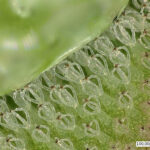
A central focus of research is on the bio-inspired development of anti-fouling systems, such as those implemented in the Shark Skin 2.0 project. Further studies investigated the adhesive-free attachment system of spiders and marine macroalgae. The current focus is on the Salvinia plant, whose surfaces trap air and thus significantly reduce friction with the water medium. On this basis, air-trapping surfaces were developed and tested in the EU project AIRcoat to minimise friction on ship hulls. Building on this, the BMBF project AIRtube is investigating the extent to which the fluid mechanical properties of inner surfaces in pipes and hoses can also be optimised.

Lightweight Construction, Design & Optimisation

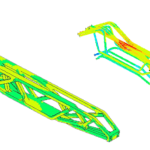
Biological designs and structures are characterised by enormous resilience with minimal use of materials and serve as ideal models for lightweight construction. At the B-I-C, these principles are systematically investigated in order to develop efficient, robust and resource-saving components. Numerical simulation methods and optimisation algorithms enable biological designs to be transferred to different scales and areas of application.


The focus is on analysing natural design processes as targeted processes and abstracting biological ‘working’ methods such as the growth of trees or bones. These concepts, known as CAO (computer-aided optimisation) and SKO (structural-constructive optimisation), enable the production of components that are significantly lighter while offering the same load-bearing capacity.


A major area of research at the B-I-C, which is driven by technology push, is looking into the mechanical properties of insects. For example, the outer skeleton of insects, the cuticle, has been analysed as a highly complex, multi-layered fibre composite material. The specific arrangement of the materials gives the organisms high resilience during landing manoeuvres and at the same time enables lightweight structures that support their ability to fly. The findings open up a wide range of transfer possibilities in technical applications – from robust landing facilities for extraterrestrial exploration to shock-resistant packaging for transport goods of various sizes and sensitivities.

Organisation & Logistics

In close cooperation with industry partners and economists, the B-I-C analyses biological systems in terms of efficiency, resilience, self-organisation and adaptive control – and makes this potential available to companies.

Biological models show how complex processes can be coordinated in a stable and efficient manner through intelligent communication, decentralised control and flexible workflows. We transfer these mechanisms to business issues, such as the optimisation of production processes, internal communication or global supply chains. For example, the analysis of the organisational structures of social insects provided valuable impetus for the development of practical communication and control concepts in corporate workshops.

A particular focus is on the sustainable design of globally distributed value chains. Against a backdrop of increasing complexity, resource scarcity and climate targets, we are working with industry partners to develop bionically inspired solutions for robust, transparent and resource-efficient supply and information flows. Our research inspiration ranges from molecular control processes to highly complex ecosystems as models for networked economic systems.

In successful industrial collaborations – including with Tchibo – biomimetic methods were directly translated into concrete operational measures. The process model developed jointly at the B-I-C now serves as a practical guide for further projects aimed at the sustainable optimisation of organisational and logistics processes.

Foto: Designed by Freepik @jcomp

Biological Materials

In the Biological Materials working group, natural material systems serve as the starting point for highly innovative composite materials with versatile technical application potential.

Biological Structures and Biomimetics

The Biological Structures and Biomimetics working group researches the arthropod cuticle as a versatile biological composite material – from its biological function and microscopic mechanics to the development of novel, cuticle-inspired materials using nanotechnology.

Selected Research Reports (German)

Research. Develop. Take off.

Doctoral programme

Biomimetics in Bremen is currently offering a doctoral position as part of the EU-funded joint project Nature4Nature in the field of flow simulation. Eight doctoral students at eleven locations worldwide are being trained in bionic development methodology as part of this project – in interdisciplinary teams of biologists, engineers, designers and industry partners. The research focus is on the development of bio-inspired filter systems for cleaning the oceans, which make targeted use of natural principles for sustainable technical applications.

It is also possible to pursue a doctoral degree in the Biomimetics working groups on an individual cooperative basis in various projects. Please contact the professors in charge of the working groups for more information. 

Start a research collaboration now

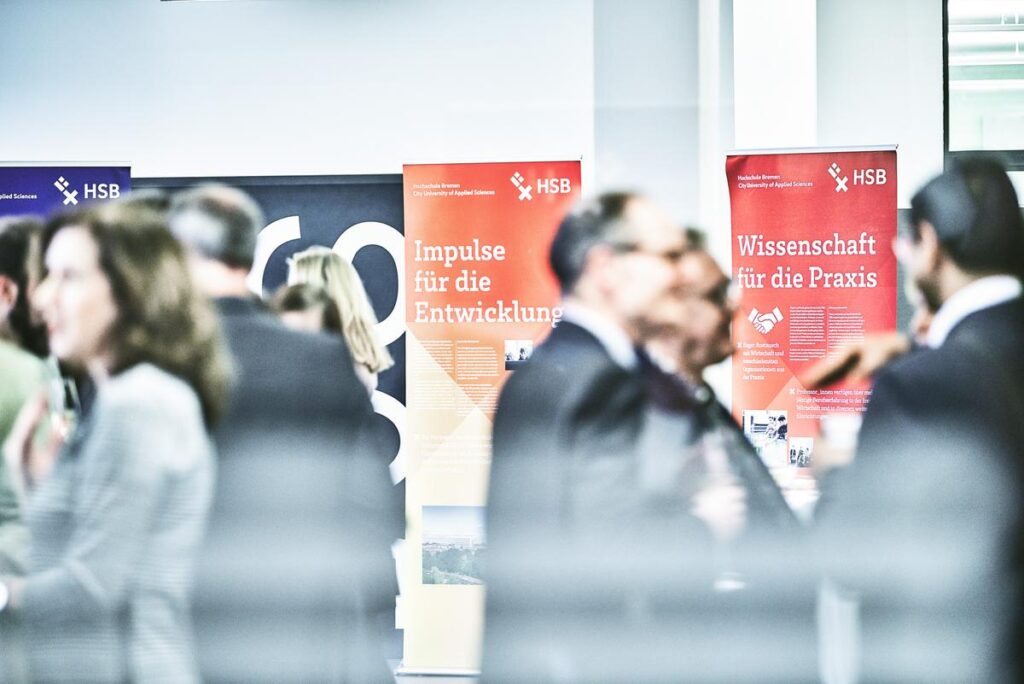
Im Vordergrund eine verschwommende Menschengruppe in Gesprächen. Im Hintergrund bunte Roll-ups der Hochschule Bremen.
Transfer

Transfer activities

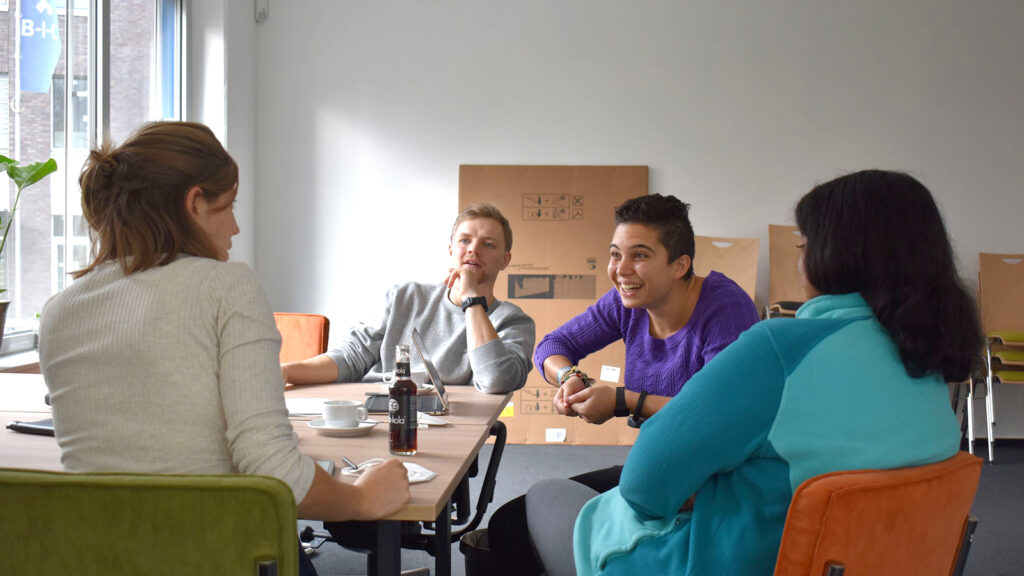
The B-I-C actively participates in knowledge and technology transfer.
Find out more
Research & Transfer

Workshops & Seminars

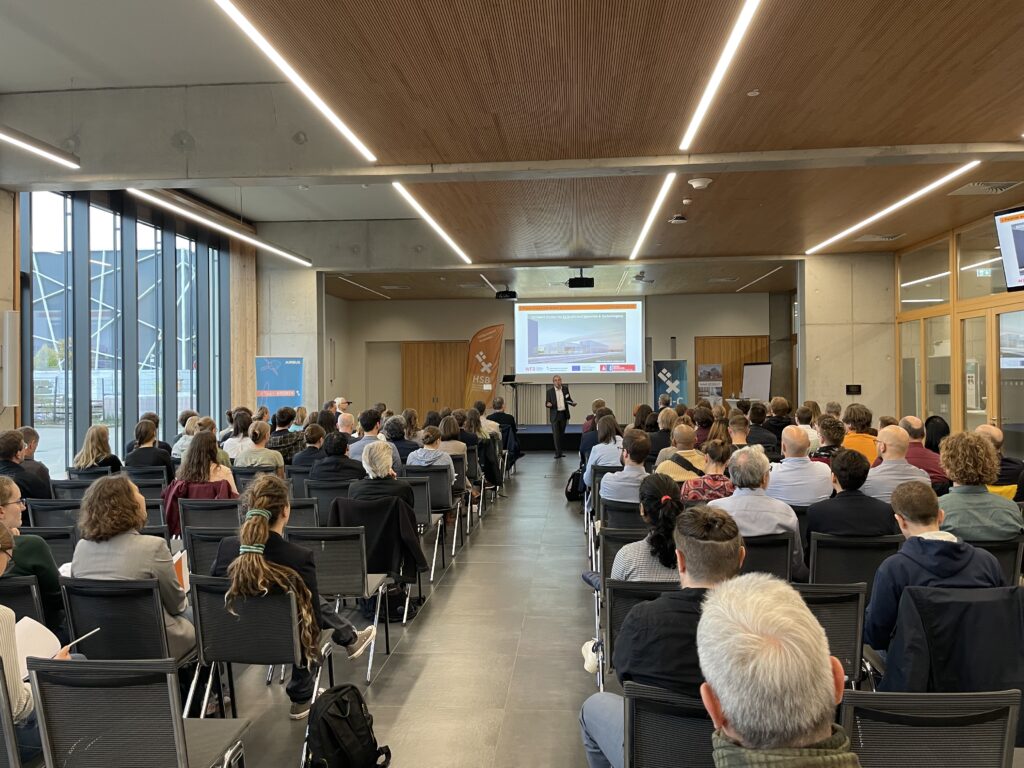
The B-I-C regularly offers workshops and seminars for the general public.
Find out more
Research & Transfer

Biomimetics-Congress

The Biomimetics Congress takes place every two years in Bremen.

Find out more
0%
WordPress Appliance - Powered by TurnKey Linux