
Nature is the world’s oldest and most experienced engineer. For billions of years, it has been developing a wide range of solutions to life’s complex challenges – solutions that are efficient, resource-efficient and perfectly adapted to their tasks. Biomimetics draws on this knowledge.
The term combines elements of biology and technology and describes the systematic transfer of natural principles into innovative technical solutions. Biomimetics is an interdisciplinary science that bridges the fields of biology and engineering. Biological principles found in nature are analysed, their functions understood, and then applied to technical problems.
Der bionische Entwicklungsprozess kann in zwei Richtungen stattfinden und folgt jeweils einem klaren Ablauf.
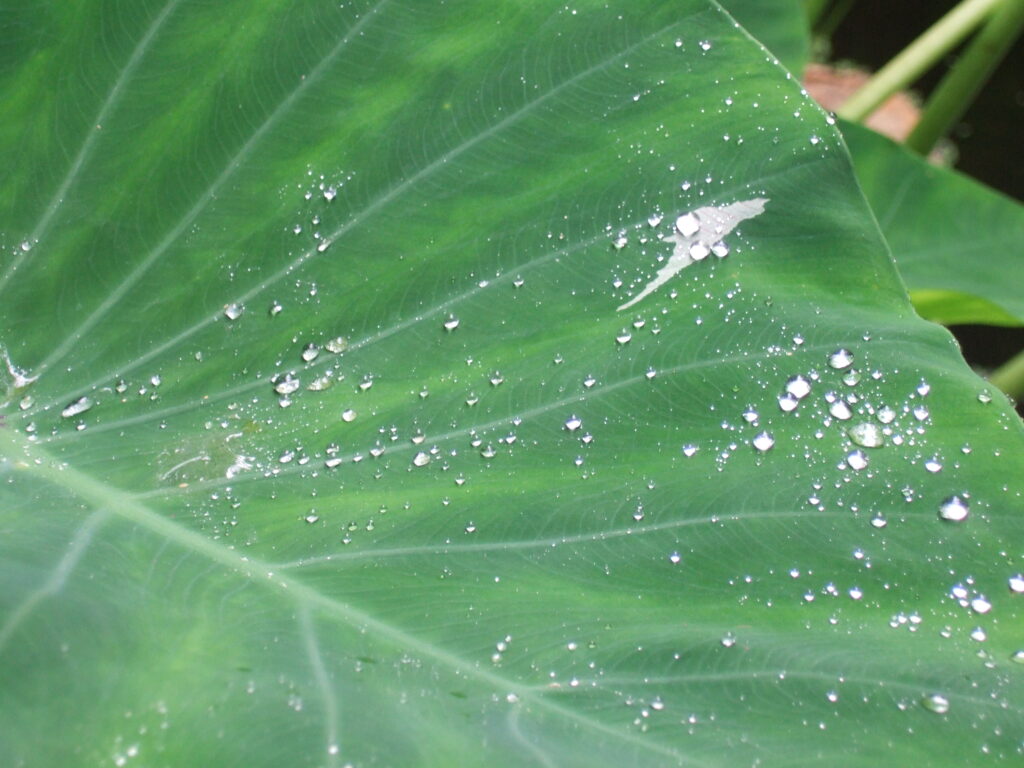
In the Biology-Push approach, the biomimetic development process begins with basic research or the observation of nature. For example, a natural principle is discovered, investigated and understood. This understanding, derived from nature, can then be transferred in an abstract form to a technical context. A well-known example of this process is the lotus effect.
Der Technology-Pull The technology-pull approach begins with a specific technical question or problem, for which potential solution principles are then sought in nature. The identified principles are analysed, abstracted and finally translated into a technical solution. One example of this is winglets on aeroplane wings.
For more detailed information on the biomimetic development process, see VDI 6220.
We already encounter biomimetics in many everyday products and technologies:
The lotus effect – self-cleaning surfaces modelled on the lotus plant – is now used in paints, textiles and coatings.
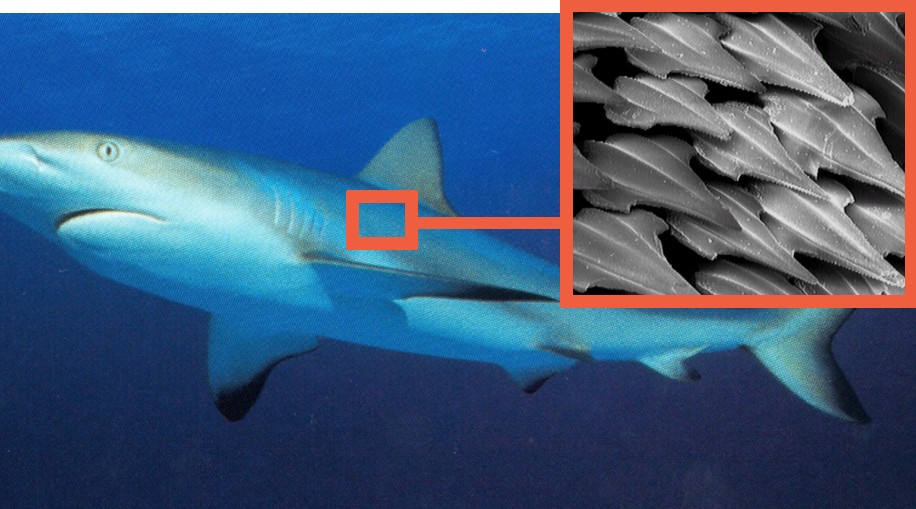
Shark skin has inspired aerodynamically optimised surfaces for aircraft and ships – and has also been developed and refined at B-I-C Bremen as an antifouling protective coating.

Birds were studied for the feathers at the tips of their wings to help optimise aircraft wings and improve airflow.
In the English-speaking world, the term ‘bionics’ is frequently used. There, it often refers to medical applications such as nerve-connected prostheses or bioelectronic implants. According to the German technical understanding of the field, these do not fall under the umbrella of biomimetics, as they directly replace biological functions rather than applying natural principles to technical solutions.
The correct English equivalent for ‘Bionik’ in the German sense is therefore ‘biomimetics’. This term is well established within the scientific community and describes the nature of bionics in accordance with the German definition (VDI 6220). Furthermore, the term “biomimicry” is also used. This is often applied in the context of design and sustainability. In the engineering field, the term “bioinspired engineering” is also encountered and generally describes a broader interpretation of the definition of biomimetics.
At Bremen City University of Applied Sciences, biomimetics is not just taught but actively practised – through research projects, industry partnerships and two unique degree programmes.
The Bionik-Innovation-Centre (B-I-C) at Bremen City University of Applied Sciences has been one of the leading centres for bionic research, teaching and technology transfer in the German-speaking world since 2005.
Every two years, the world’s only Bionik (Biomimetics) congress in Bremen brings together researchers, engineers and industry partners from all over the world.
Learning from nature for the technology of tomorrow.
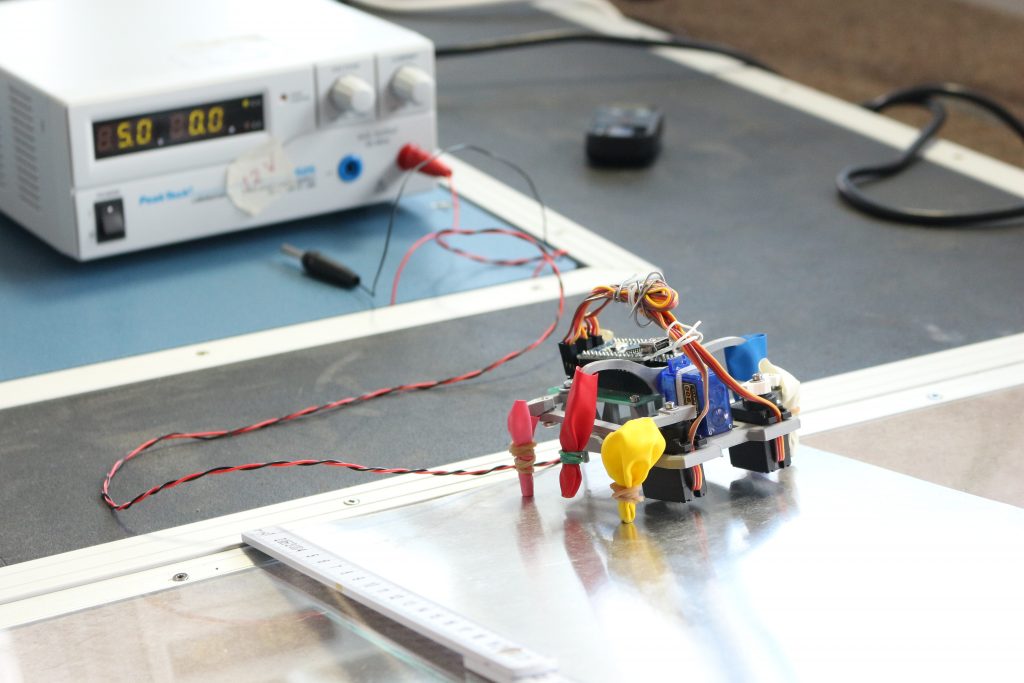
Enabling new mobility through natural principles.
Das B-I-C bündelt Kompetenzen in unterschiedlichen Bereichen unter einem Dach.